
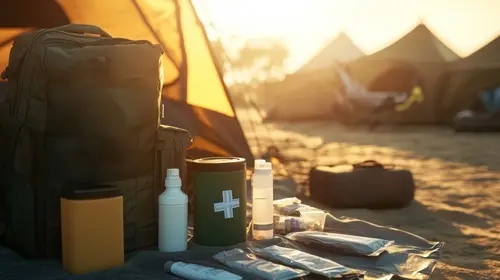
Remote First Aid Course Brisbane HLTAID013
HLTAID013 Provide First Aid in remote or isolated site is nationally recognised training for Brisbane teams who may need to provide first aid in remote or access-limited environments where medical assistance is likely to be delayed.
This remote first aid course suits training coordinators, site supervisors, safety officers, outdoor education leads, operations managers and volunteer coordinators responsible for people across Greater Brisbane, Ipswich, Logan, Moreton Bay, Redland, growth corridors, waterways, bushland, worksites and regional Queensland routes.
Remote first aid is not only for the outback. In Brisbane, it can apply when distance, terrain, water, weather, poor reception, road access or evacuation logistics make a standard first aid response feel insufficient.
Through FindTraining, you can search approved providers in the Allens Training Pty Ltd RTO 90909 network and compare remote area training options near you.
This guide helps Brisbane learners and employers compare course options before booking. It does not replace accredited training, emergency services advice or workplace-specific safety procedures.
Featured Venues

240 HAMILTON ROAD
CHERMSIDE, QUEENSLAND, 4032
240 HAMILTON ROAD
CHERMSIDE, QUEENSLAND, 4032
68 MEADOWLANDS ROAD
CARINA, QUEENSLAND, 4152
Featured Providers


Search for Specific Delivery Mode
68 MEADOWLANDS ROAD
CARINA, QUEENSLAND, 4152
240 HAMILTON ROAD
CHERMSIDE, QUEENSLAND, 4032
240 HAMILTON ROAD
CHERMSIDE, QUEENSLAND, 4032
Other Training Options








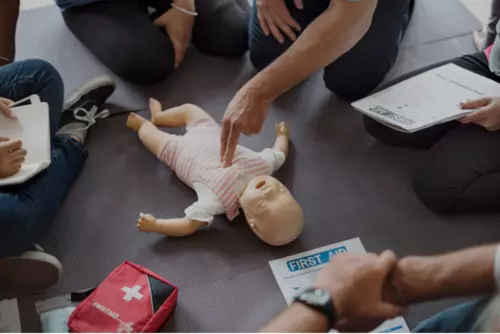


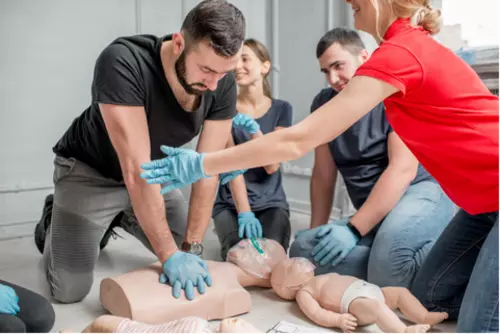




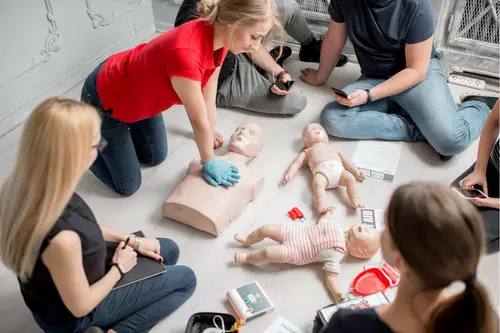



My First Aid Course
Centrepoint Church - 1k from Westfield - Coffee Shop and Free Parking On Site
Nationally Recognised Training for Remote or Isolated Sites in Brisbane
HLTAID013 is the unit of competency for first aid in remote or isolated site settings.
The unit describes the skills and knowledge required to provide a first aid response to an injured casualty in remote locations, isolated locations or a remote area over an extended period.
For Brisbane organisations, this may be relevant to civil construction, road and rail projects, utilities, telecoms, outdoor education, transport, logistics, parks, conservation, marine and island tourism, community response and teams travelling across regional Queensland.
A first aider may need to follow appropriate first aid procedures, manage first aid activities, provide extended care, prepare equipment, monitor the casualty and support handover for aeromedical evacuation or ambulance care.
Included Units and First Aid Skills
On successful completion, this FindTraining listing includes:
Unit code | Unit name |
HLTAID013 | Provide First Aid in remote or isolated site |
HLTAID011 | Provide First Aid |
HLTAID010 | Provide basic emergency life support |
HLTAID009 | Provide cardiopulmonary resuscitation |
This means the aid certificate can include standard first aid, basic emergency life support, resuscitation skills and the CPR element.
For many Brisbane workers, this avoids booking a separate first aid certificate or CPR aid course at the same time.
Delivery, Online Training and Practical Assessments
Delivery varies by provider and learner experience.
As a guide, FindTraining lists face-to-face delivery from a minimum of 16 hours.
Blended delivery may include online training and theory assessment, followed by face-to-face practical assessments from a minimum of 6 hours.
You cannot complete this course fully online.
Learners must complete practical assessments in person because the course includes hands-on aid skills, casualty care, communication and remote aid response.
For Brisbane teams managing rosters across construction sites, depots, school programs, fieldwork or volunteer operations, blended delivery may help reduce time away from work while still meeting face-to-face assessment requirements.
Physical Ability and CPR Requirements
Before booking, check that you have the physical ability to take part in practical first aid activities.
To receive a nationally accredited certificate, learners must perform CPR on the floor using an adult manikin.
Assessment may include CPR, AED use, recovery position, bleeding control, basic triage, a multiple casualty incident, remote communication and care for an injured casualty.
Contact the provider before booking if you have concerns about mobility, LLN needs, digital skills or any required knowledge. Reasonable adjustment may be available, but accredited training still requires required practical skills to be shown.
Should Brisbane Teams Choose HLTAID013 or Another First Aid Course?
Course or term | Best suited to | Key difference |
HLTAID011 Provide First Aid | General Brisbane workplaces, offices and community settings | Standard response where help is usually nearby |
HLTAID013 Remote First Aid Course | Field crews, construction teams, outdoor staff, regional travel, waterways and isolated site work | Adds extended care, communication, triage and evacuation planning |
HLTAID014 Advanced First Aid | Higher-risk workplaces or first aid leaders | Broader aid treatments and advanced first aid response |
HLTAID012 Childcare First Aid | Education and care settings | Usually more relevant for childcare; HLTAID013 may suit camps, excursions or outdoor learning |
Choose HLTAID013 if help may be delayed by distance, terrain, water, weather, traffic, poor reception, rural-fringe access or a complex site layout.
Choose HLTAID011 if you only need general first aid where support is usually nearby.
What the Remote Area First Aid Course Covers
This area first aid course may cover:
- Australian Resuscitation Council guidelines and ARC guidelines
- assessing an ill or injured casualty
- contacting emergency services
- giving clear location details
- checking first aid kits
- prepare equipment for remote response
- basic triage and first aid response
- comprehensive first aid treatments for bleeding, shock, fractures, sprains and strains
- snake and spider bite response
- hypothermia, hyperthermia and dehydration
- head, neck and spinal injuries
- contingency planning, self care and debriefing
- aid treatments to aeromedical evacuation and casualty handover
Guidelines determined by the Australian Resuscitation Council help shape CPR and resuscitation practice in Australian first aid training.
Brisbane Roles and Businesses This Course May Suit
Brisbane is fast-growing and corridor-based, with strong links to construction, transport, logistics, education, public safety, trades, field services and regional Queensland movement. Many teams are based in the CBD or suburbs but work across large sites, roads, depots, waterways, parks, rural-fringe locations and regional routes.
This course may suit:
- civil construction crews, roadworks teams and site supervisors
- rail, transport corridor, utilities and telecommunications field workers
- renewable energy, maintenance and mobile service crews
- transport, freight, depot, yard, airport, port and industrial precinct teams
- outdoor education teachers, camp leaders and excursion supervisors
- rangers, park staff, bush regeneration workers and environmental officers
- marine, island, eco-tourism and Moreton Bay activity teams
- SES volunteers, rural fire volunteers, surf lifesaving patrols and event safety staff
- schools, youth organisations and volunteer coordinators running regional trips
For employers, HLTAID013 can support training plans for workers, students or volunteers who may need to manage a casualty until help arrives.
Real Brisbane Remote First Aid Scenarios
Remote first aid can help save lives when help is not close, even in a major city.
A Brisbane team may need remote area first aid during a heat illness case on an outer growth-corridor construction site, an injury on a road or utilities corridor, a school camp incident, a bushland fieldwork injury, a Moreton Bay or island activity, a logistics yard incident, or a storm-affected evacuation delay.
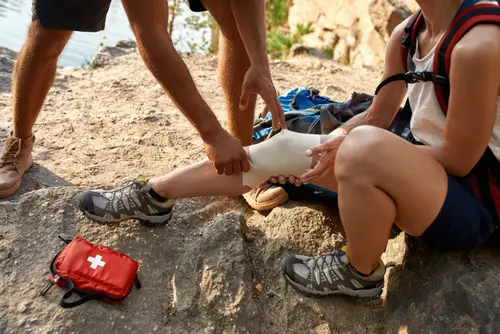
In these situations, the first aider may need to monitor the casualty for longer, control bleeding, reduce movement after a suspected spinal injury, manage heat exposure, share GPS or landmark details, and prepare for evacuation.
Trainer tip: In Brisbane fieldwork, communication is often as important as treatment. Learners should practise giving clear updates about the casualty, location, access point, weather, time of incident and treatments already provided.
Before You Book
Check these points before enrolling:
- Do you need HLTAID013 rather than HLTAID011, HLTAID012 or HLTAID014?
- Does your employer, contract or workplace code require a specific unit?
- Are HLTAID011, HLTAID010 and HLTAID009 included?
- Can you attend the face-to-face assessment?
- Can you perform CPR on the floor?
- Does the date, location and delivery mode suit your Brisbane roster?
- Do you need public training or workplace group training?
- Have you checked role-specific refresher needs?
Find Remote First Aid Training in Brisbane
Use FindTraining to compare remote first aid course Brisbane dates, delivery options and approved providers.
Some providers offer public courses, while others may support workplace or group aid training for Brisbane teams.
Before booking, check the course duration, assessment format, included units, location and any workplace requirements that apply to your role.
FAQs
Is remote first aid relevant in Brisbane?
Yes. Remote first aid is not only for outback work. In Brisbane, it may apply to growth corridors, civil construction sites, road and rail corridors, utilities work, bushland, waterways, islands, outdoor education, rural-fringe locations and regional Queensland travel where help may be delayed.
Does HLTAID013 include CPR and standard first aid?
Yes. This listing includes HLTAID011 Provide First Aid, HLTAID010 basic emergency life support and HLTAID009 CPR.
Can I complete the course fully online?
No. Online training may be available for theory, but practical assessments must be completed face to face.
Is this the same as childcare first aid?
No. HLTAID012 is usually more relevant for childcare and education and care settings. HLTAID013 may suit school camps, excursions, outdoor learning, adventure activities or regional supervision where help may be delayed.
How long does the certificate last?
Many workplaces and providers recommend refreshing first aid every 3 years, while CPR is commonly refreshed every 12 months. Check your employer, regulator or workplace policy.